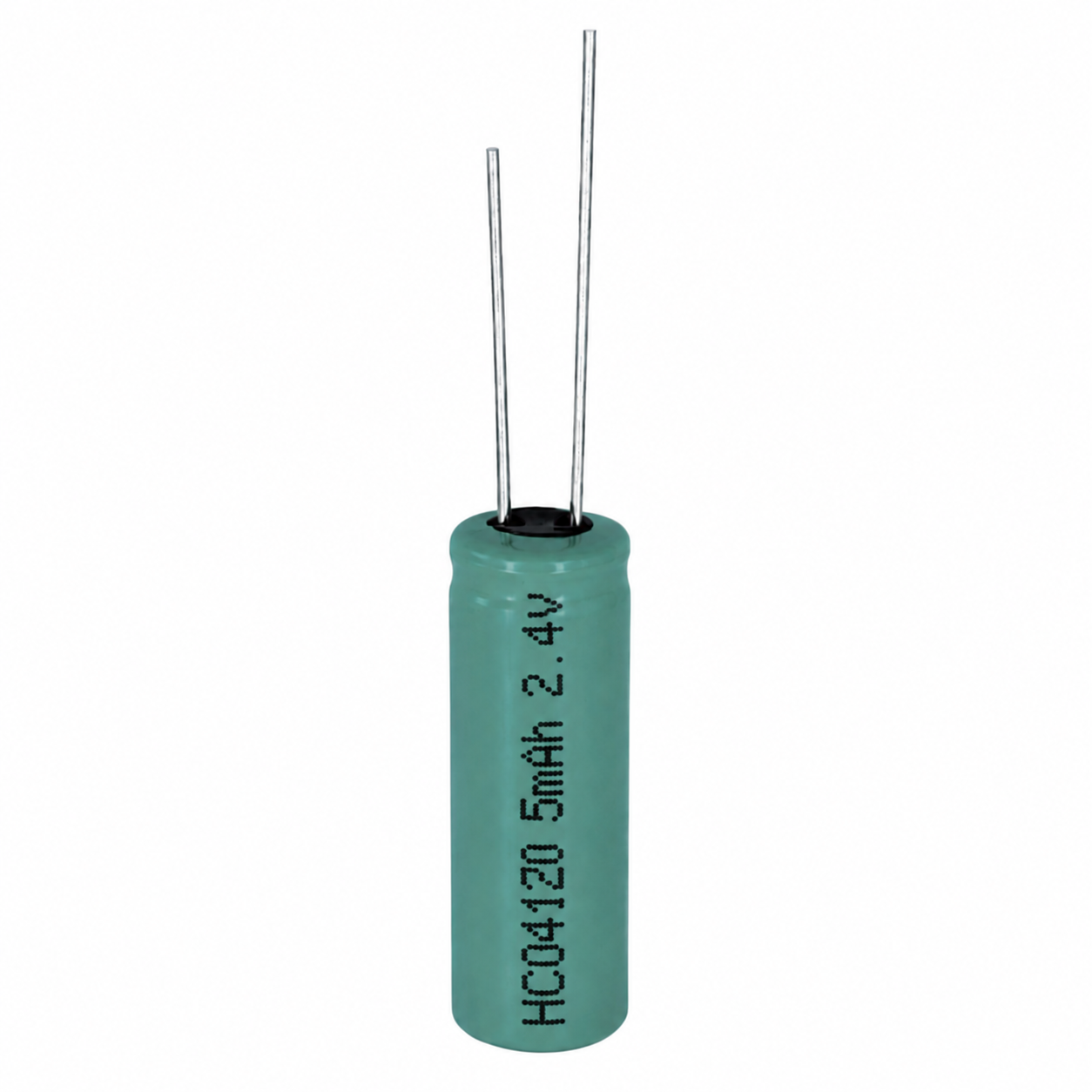
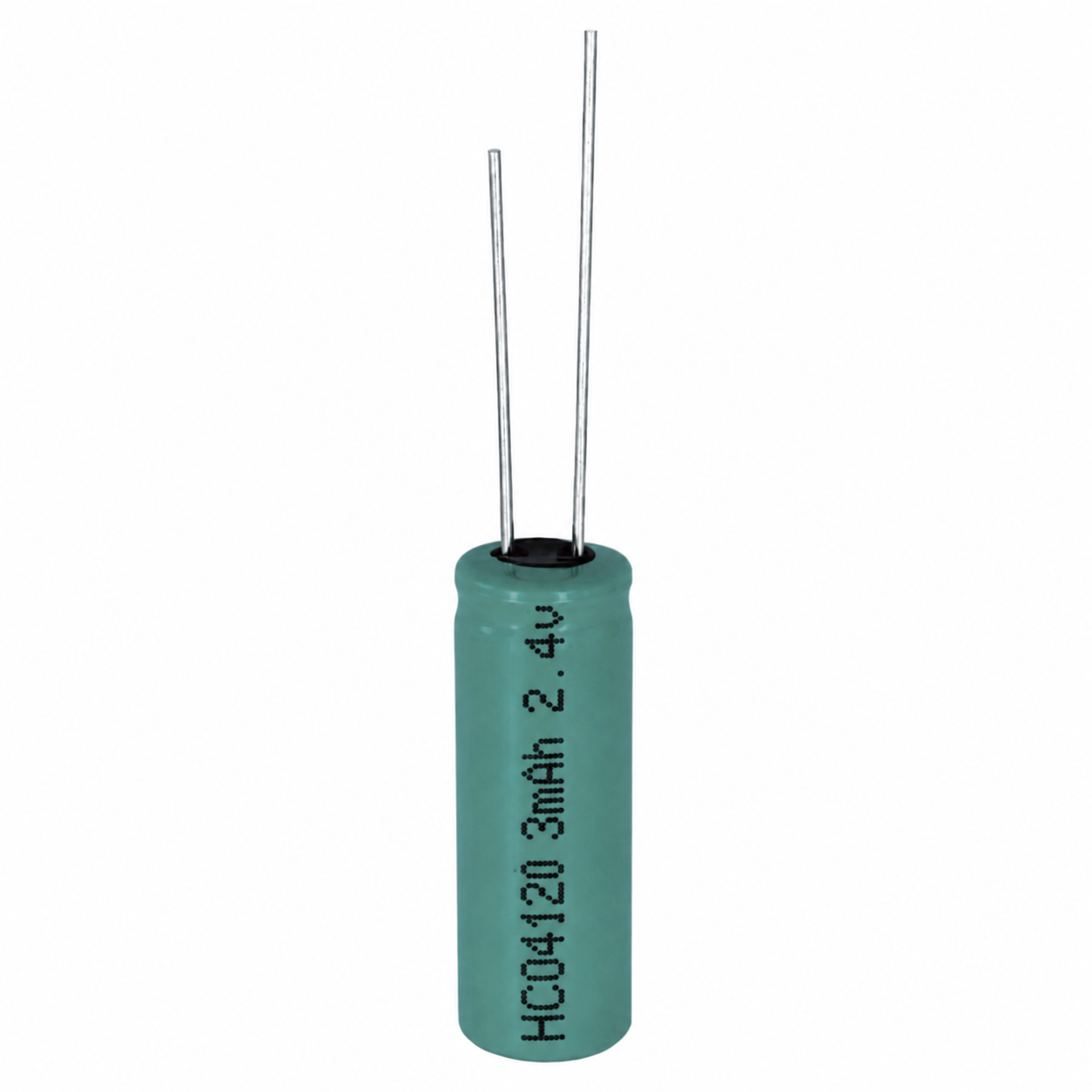
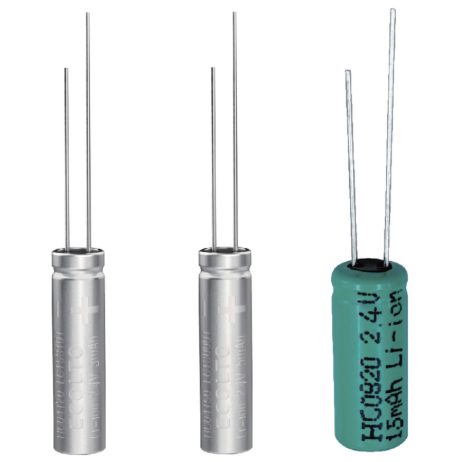
Lithium Energy has been focusing on creating its own brand and contributing to a greener home.

Contacts:
Fiona Fong
Mobile + WhatsApp:
+86 17718177652
+852 91232004
Email:
fangqi@ecolto.com
CTO: Morley.lee@ecolto.com
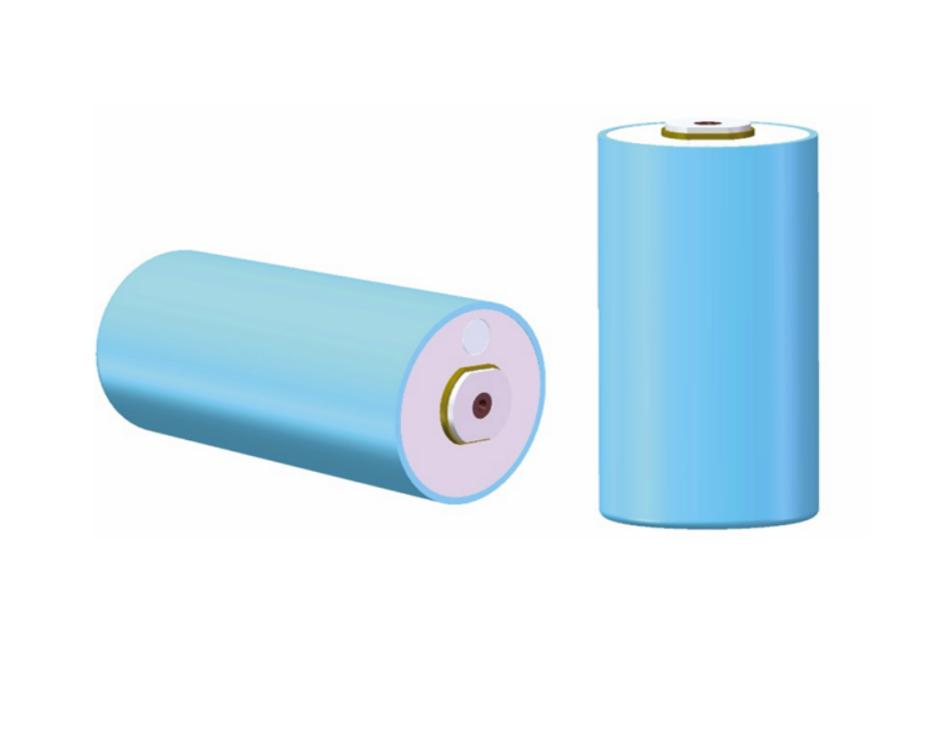

The LTO33700-5000 is a premium cylindrical Lithium Titanate (LTO) battery cell engineered for heavy-duty industrial applications, high-power energy storage systems (ESS), and electric vehicle traction. Utilizing an advanced lithium titanate oxide anode paired with a high-performance NCM cathode, this cell delivers unparalleled cycle life, extreme thermal stability, and ultra-fast charging capabilities. Unlike conventional graphite-based lithium-ion cells, the LTO chemistry completely eliminates the risk of thermal runaway under extreme abuse (including puncture, crushing, and short circuits), making it one of the safest battery technologies available on the market today.
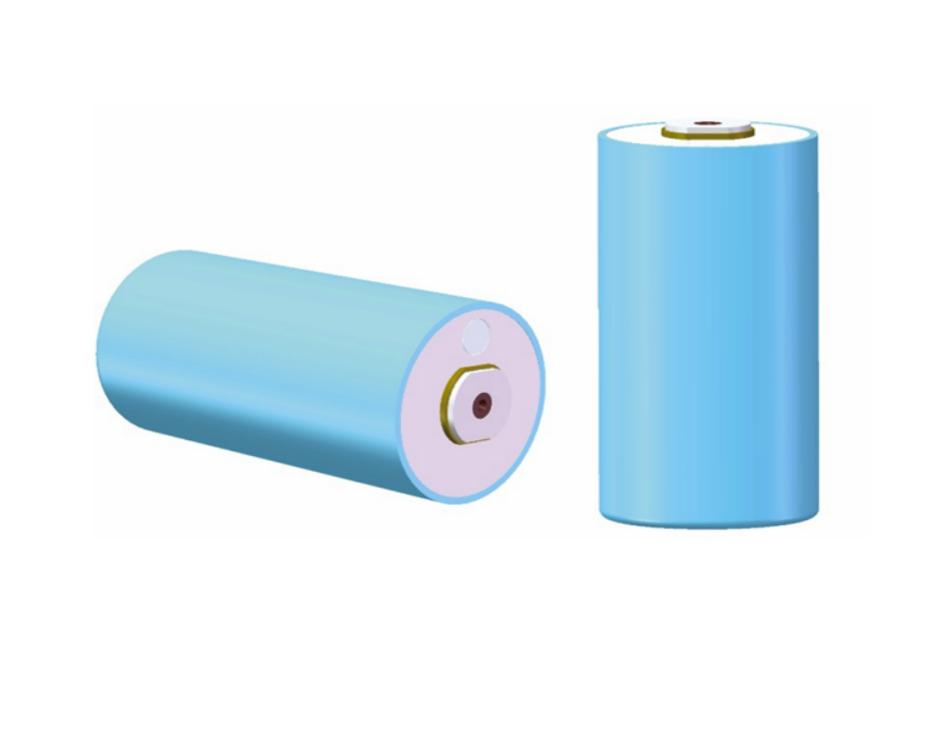
Nominal capacity is 5000mAh measured at 1C discharge at room temperature. Nominal voltage is 2.4V. Internal impedance is ≤5.0mΩ measured by AC 1kHz at 30% to 50% state of charge. Standard charge cut-off voltage is 2.8V. Standard discharge cut-off voltage is 1.5V. Maximum continuous charge current is 3C (15A). Maximum continuous discharge current is 5C (25A). Weight is ≤145g. Dimensions: diameter 33.2±0.3mm, height 73.5±0.3mm.
| No | Item | Condition | NOTE |
| 1 | Appearance | Consistent with the appearance inspection standard | There should be no such defects as flaws, cracks, rust, or leakage, which may depreciate the commercial value of the cell. |
| 2 | Nominal capacity | 5000mAh | 1C room temperature≥5000mAh |
| 3 | Nominal voltage | 2.4V | 1C discharge average voltage at room temperature |
| 4 | Internal impedance | ≤5.0mΩ | Internal resistance measured at AC 1kHz after 30%-50% charged under room temp. |
| 5 | Standard charge cut-off voltage | 2.8V | / |
| 6 | Standard discharge cut-off voltage | 1.5V | / |
| 7 | Maximum continuous charge current | 3C(15A) | 25±5℃ |
| 8 | Maximum continuous discharge current | 5C(25A) | 25±5℃ |
| 9 | Temperature rise during 5C charging | ≤20℃ | / |
| 10 | Operating temperature range | Temperature:40℃ to 60℃ Humidity:≤85%RH | Recommended charge/discharge current:≤0.5C. When the cell temperature is below 0℃, it is recommended to reduce discharge power or stop charging/discharging. When the cell temperature exceeds 50℃, appropriate thermal management is recommended. |
| 11 | Storage temperature range | -5℃ to 35℃ | Recommended storage temperature:25±3℃; ≤90%RH Relative Humidity |
| 12 | Weight | ≤145g | / |
Engineered for deep-cycling longevity, the LTO33700-5000 delivers a remarkable service life that outlasts traditional lithium chemistries by a factor of ten. Under standard operating conditions, the cell retains the vast majority of its initial capacity even after decades of continuous daily operation.
| No. | Item | Test method | Criteria |
| 1 | Cycle life | Under a standard testing environment, the cell undergoes a continuous cycle of charging (per section 3.1.3), resting for 30 minutes, discharging (per section 3.1.4), and resting for another 30 minutes. This full charge-discharge process is repeated continuously for a total of 15,000 cycles. | The capacity retention must be at least 80% after 15,000 cycles. |
| 2 | High temperature cycle life | The cell is stored at an ambient temperature of 45±2°C for 60 minutes. Remaining at 45±2°C, it is charged at a constant current of 1C to the standard cut-off voltage, followed by constant voltage charging until the current drops to ≤0.05C. After resting for 5 minutes, the cell is discharged at a constant current of 1C to the standard discharge cut-off voltage, followed by another 5-minute rest. This full charge-discharge cycle is repeated continuously for a total of 2,000 cycles. | The discharge capacity must be at least 80% of the initial capacity after 2,000 cycles. |
| 3 | Rate charge performance | Under a standard testing environment, the cell is discharged (per section 3.1.4) and rested for 10 minutes. It is then charged at a constant current of 3C to the standard cut-off voltage, followed by constant voltage charging until the current drops to ≤0.05C, at which point charging terminates. Finally, the charge capacity ratio (%) is calculated. | The charge capacity must be at least 95% of the initial capacity at a 3C charge rate. |
| 4 | Rate discharge performance | Under a standard testing environment, the cell is charged (per section 3.1.3) and rested for 10 minutes. It is then discharged at a constant current of 5C to the standard cut-off voltage, and the discharge capacity ratio (%) is calculated. | The discharge capacity must be at least 95% of the initial capacity at a 5C discharge rate. |
| 5 | Discharge capacity at 60℃ | The cell is charged (per section 3.1.3) and stored at an ambient temperature of 60±2°C for 5±0.5 hours. It is then discharged at a constant current of 1C to the standard discharge cut-off voltage, and the discharge capacity ratio (%) is calculated. | The discharge capacity must be at least 98% of the initial capacity at 60°C. |
| 6 | Extreme low temperature charge performance | The cell is discharged (per section 3.1.4) and stored at ambient temperatures of -20±2°C and -40±2°C for 6 hours. It is then charged at a constant current of 1C to the standard cut-off voltage, followed by constant voltage charging until the current drops to ≤0.05C. Finally, the charge capacity ratio (%) is calculated. | The charge capacity must be at least 85% of the initial capacity at -20°C, and at least 70% of the initial capacity at -40°C. |
| 7 | Extreme low temperature discharge performance | The cell is charged (per section 3.1.3) and stored at ambient temperatures of -20±2°C and -40±2°C for 6 hours. It is then discharged at a constant current of 1C to the standard discharge cut-off voltage, and the discharge capacity ratio (%) is calculated. | Discharge capacity≥85%of initial capacity at -20℃ |
| Discharge capacity≥60%of initial capacity at-40℃ | |||
| 8 | Retention capability and capacity recovery at room temperature | The cell is charged (per section 3.1.3), stored at an ambient temperature of 25±5°C for 28 days, and then discharged (per section 3.1.4) to calculate the residual discharge capacity ratio (%). Afterward, the cell is charged again (per section 3.1.3), rested for 10 minutes, and discharged (per section 3.1.4) to calculate the recoverable discharge capacity ratio (%). | At room temperature, the residual capacity must be at least 90% of the initial capacity, and the recoverable capacity must be at least 95% of the initial capacity. |
| 9 | Retention Capability and Capacity Recovery at 60℃ | The cell is charged (per section 3.1.3), stored at an ambient temperature of 60±2°C for 7 days, and then discharged at a constant current of 1C to the standard discharge cut-off voltage to calculate the residual discharge capacity ratio (%). Afterward, the cell is recharged at a constant current of 1C to the standard cut-off voltage, followed by constant voltage charging until the current drops to ≤0.05C. After resting for 10 minutes, it is discharged at a constant current of 1C to the standard discharge cut-off voltage to calculate the recoverable discharge capacity ratio (%). | At 55°C, the residual capacity must be at least 90% of the initial capacity, and the recoverable capacity must be at least 95% of the initial capacity. |
The LTO33700-5000 exhibits industry-leading charge and discharge efficiency across an ultra-wide temperature envelope. It eliminates the cold-weather charging failures typical of standard lithium batteries, making it the ideal choice for sub-zero climates and high-temperature environments alike.
Sub-Zero Charging (-20°C): Retains ≥85% of standard charge capacity.
Extreme Cold Charging (-40°C): Retains ≥70% of standard charge capacity.
Sub-Zero Discharging (-20°C): Delivers ≥85% of rated capacity.
Extreme Cold Discharging (-40°C): Delivers ≥60% of rated capacity.
High-Temperature Operation (60°C): Sustains ≥98% efficiency with excellent stability.
Featuring an exceptionally low self-discharge rate, this cell retains its energy efficiently over extended periods of inactivity, minimizing maintenance overhead for standby and backup applications.
Room Temperature Storage (28 Days @ 25°C): Residual capacity remains ≥90%; fully recoverable capacity restores to ≥95%.
High-Temperature Storage (7 Days @ 60°C): Residual capacity remains ≥90%; fully recoverable capacity restores to ≥95%.
Long-Term Storage Recommendation: For optimized shelf-life, maintain cells at 10% to 30% State of Charge (SOC) in a dry, well-ventilated environment between -5°C and 28°C.
Built to withstand severe physical and electrical stress, the LTO33700-5000 has passed rigorous international safety tests without a single instance of fire, explosion, or catastrophic failure:
Electrical Abuse: Overcharge protection (sustained 1C charge up to 4.2V or for 1 hour) and external short-circuit tolerance (10 minutes with ≤5mΩ load resistance) with zero fire or explosion. No leakage during extended over-discharge (1C for 90 minutes).
Mechanical Resilience: Passes 1.5-meter drop tests, heavy-duty crushing forces (200kN or 30% structural deformation), and aggressive dynamic penetration (3mm steel nail puncture at 25mm/s).
Environmental Survival: Withstands extreme thermal shock (heating up to 130°C), low-pressure altitude simulations (11.6kPa for 6 hours), rapid temperature cycling (-40°C to 85°C for 5 cycles), and corrosive saltwater immersion (3.5% NaCl solution for 2 hours).
Thanks to its ultra-fast charging, extreme safety, and unmatched low-temperature performance, this cell is highly recommended for:
Electric Transportation: Commercial electric vehicles (EVs), hybrid transit buses, heavy-duty logistics trucks, Automated Guided Vehicles (AGVs), automated forklifts, and golf carts.
Energy Storage Systems (ESS): Grid frequency regulation, industrial peak-shaving units, and heavy-cycling renewable energy (solar/wind) storage.
Extreme Environment Deployment: Starting-lighting-ignition (SLI) batteries in arctic/sub-zero regions and heavy-duty floor-cleaning machinery.
Backup & Standby Power: High-reliability UPS systems, telecommunications infrastructure, and critical industrial backup power.
The cell is housed in a robust, ruggedized cylindrical metal casing that offers superb structural integrity and mechanical protection.
Diameter (D): 33.2 ± 0.3 mm
Total Height (H1): 73.5 ± 0.3 mm
Can Height (H2): 70.0 ± 0.3 mm
Short-Circuit Prevention: Never bridge positive and negative terminals with conductive materials.
Charging Profile: Always utilize a dedicated CC/CV (Constant Current / Constant Voltage) charger configured with a strict maximum cutoff of 2.8V.
Discharge Protection: Ensure management systems prevent voltage drops below the 1.5V threshold.
Thermal Safety: Keep cells away from open flames or ambient heat sources exceeding 80°C. Do not incinerate, puncture, or disassemble the casing.
First Aid Note: In the unlikely event of an electrolyte leak, avoid skin contact. Flush eyes immediately with water and seek medical attention.
Maintenance: For cells placed in long-term storage, check and refresh the charge to 10%–30% SOC every 6 months to prevent self-discharge degradation.
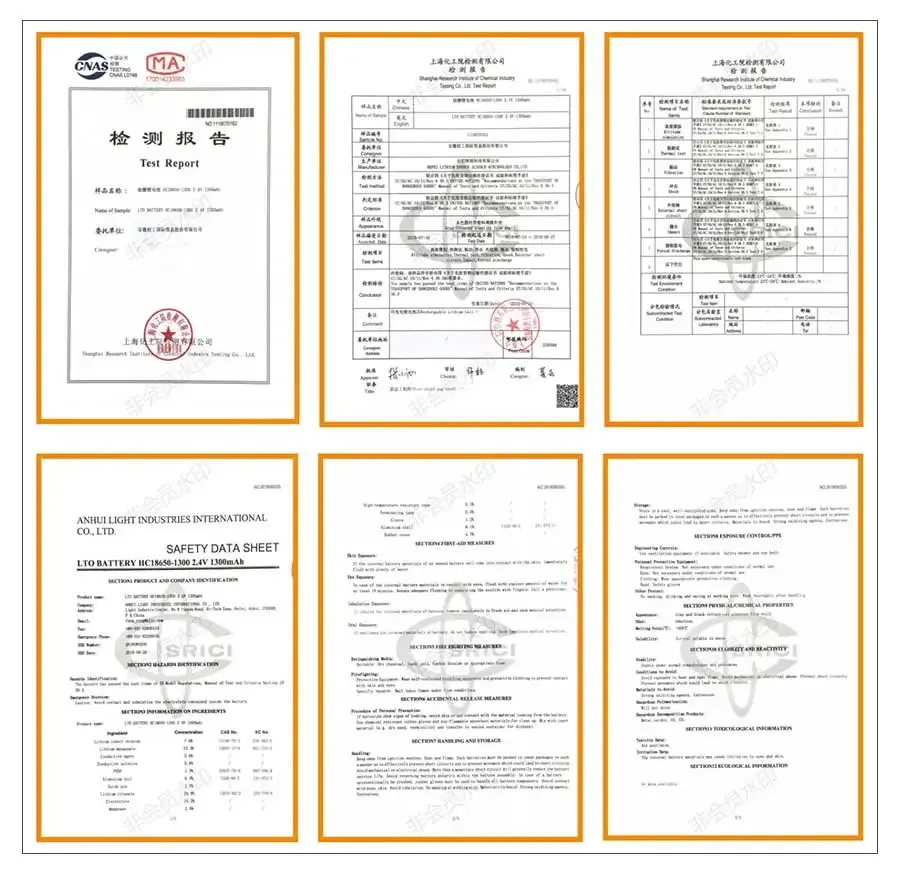
Each cell is shipped at approximately 30% State of Charge (SOC). Our robust packaging is fully certified to meet UN38.3 strict international transport regulations, ensuring legal, safe, and secure delivery via road, rail, sea, or air freight.



Q1: Do you provide free samples?
A: Yes, a few pieces of free samples can be provided, but freight will be charged.
Q2: What is the warranty period for this product?
A: We provide a 1-year warranty from the date of purchase.
Q3: What are your payment terms?
A: We currently accept payments via T/T (Telegraphic Transfer) and L/C (Letter of Credit).
Q4: Do you accept OEM or ODM orders?
A: Yes, we do. We can print your custom logo on the products and provide tailored design solutions for your specialized battery packs or capacitor modules.
Q5: What is your monthly production capacity?
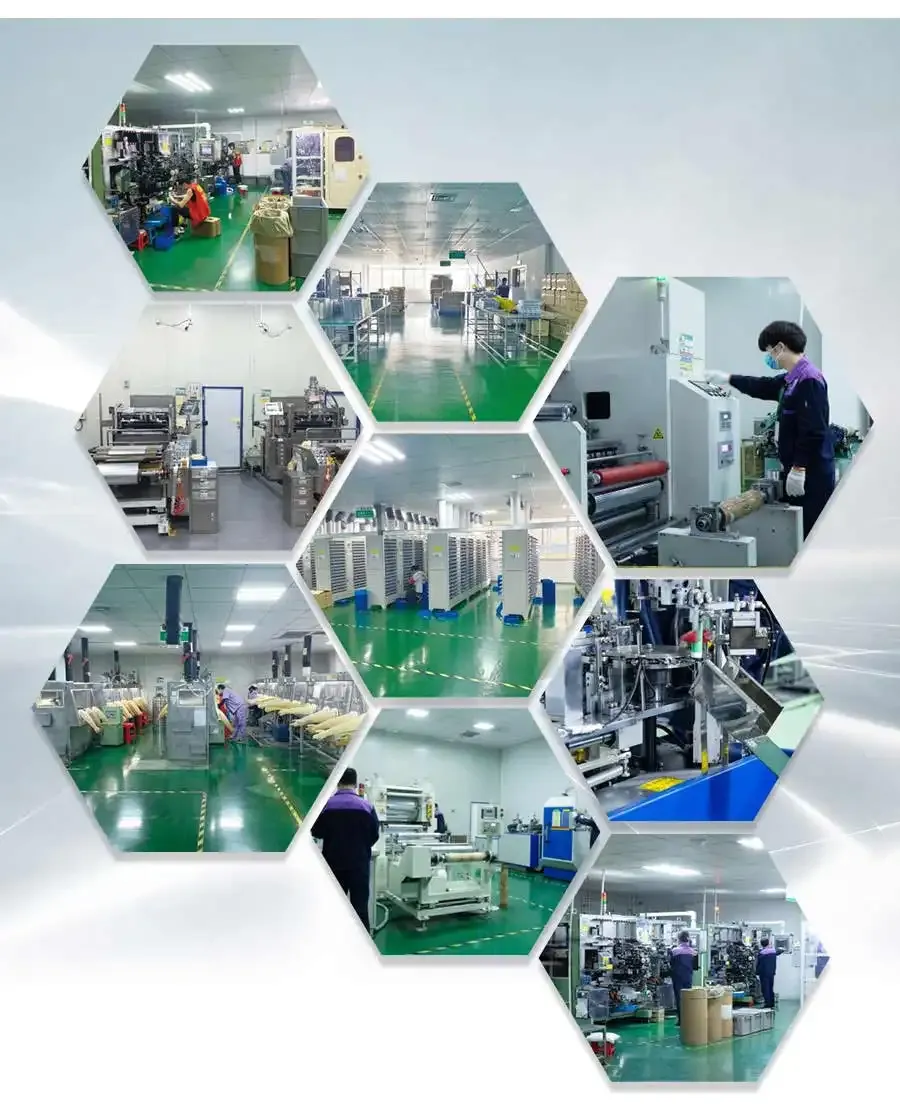
A: Our current production capacity is 1.8 million cells per month, ensuring a stable and reliable supply for large-scale orders.
Q6: What are your shipping and transportation methods?
A: We primarily ship orders by sea for bulk volumes. However, we can also arrange air freight or express delivery (such as DHL, FedEx, or UPS) depending on your urgency, order size, and destination.
Q7: What certifications do your products have?
A: We have obtained UN38.3, MSDS, and other relevant international certifications to ensure safe transportation and usage.
Fill out our short form, and we will contact you shortly to discuss how we can provide a solution to your needs!
This site is protected by wp-copyrightpro.com