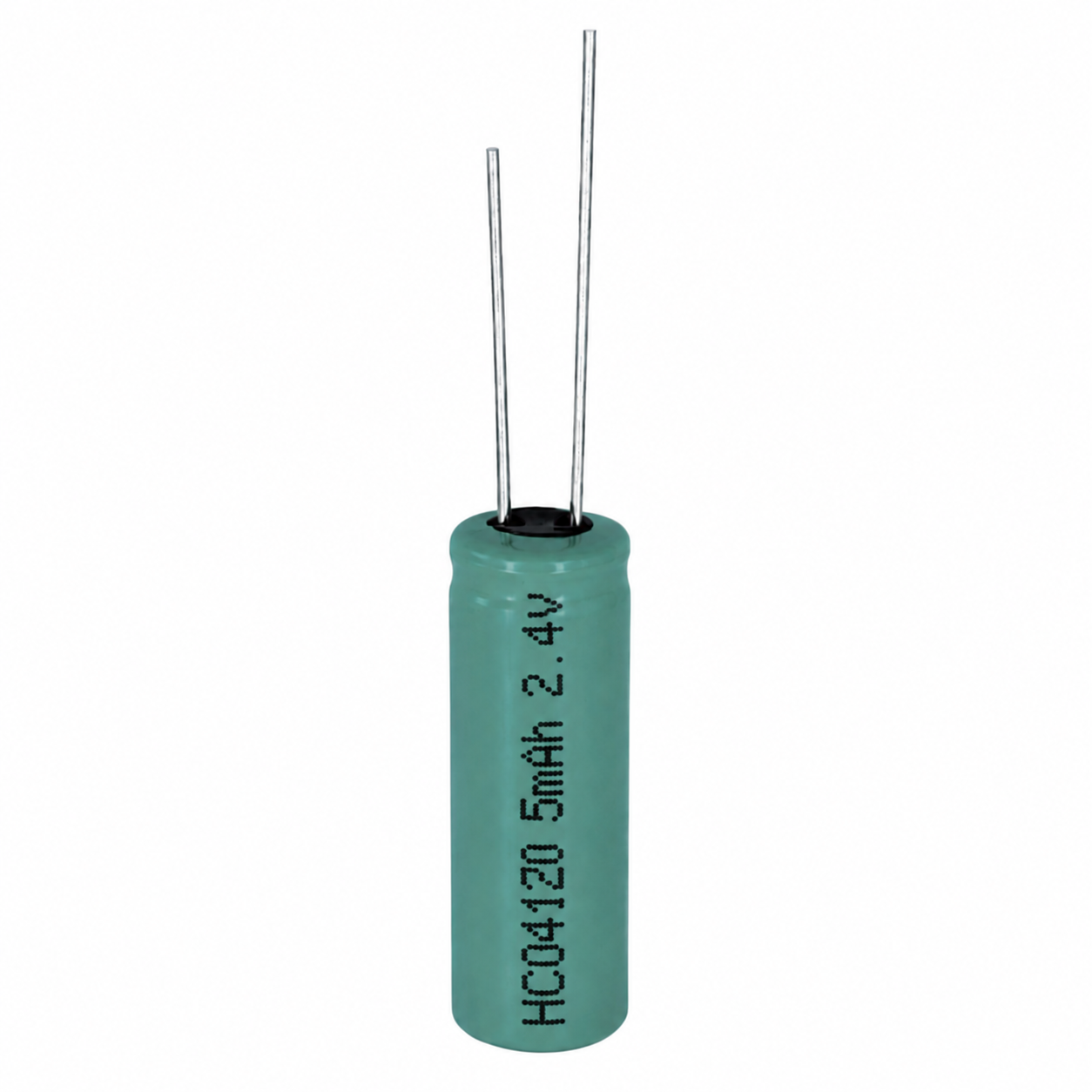
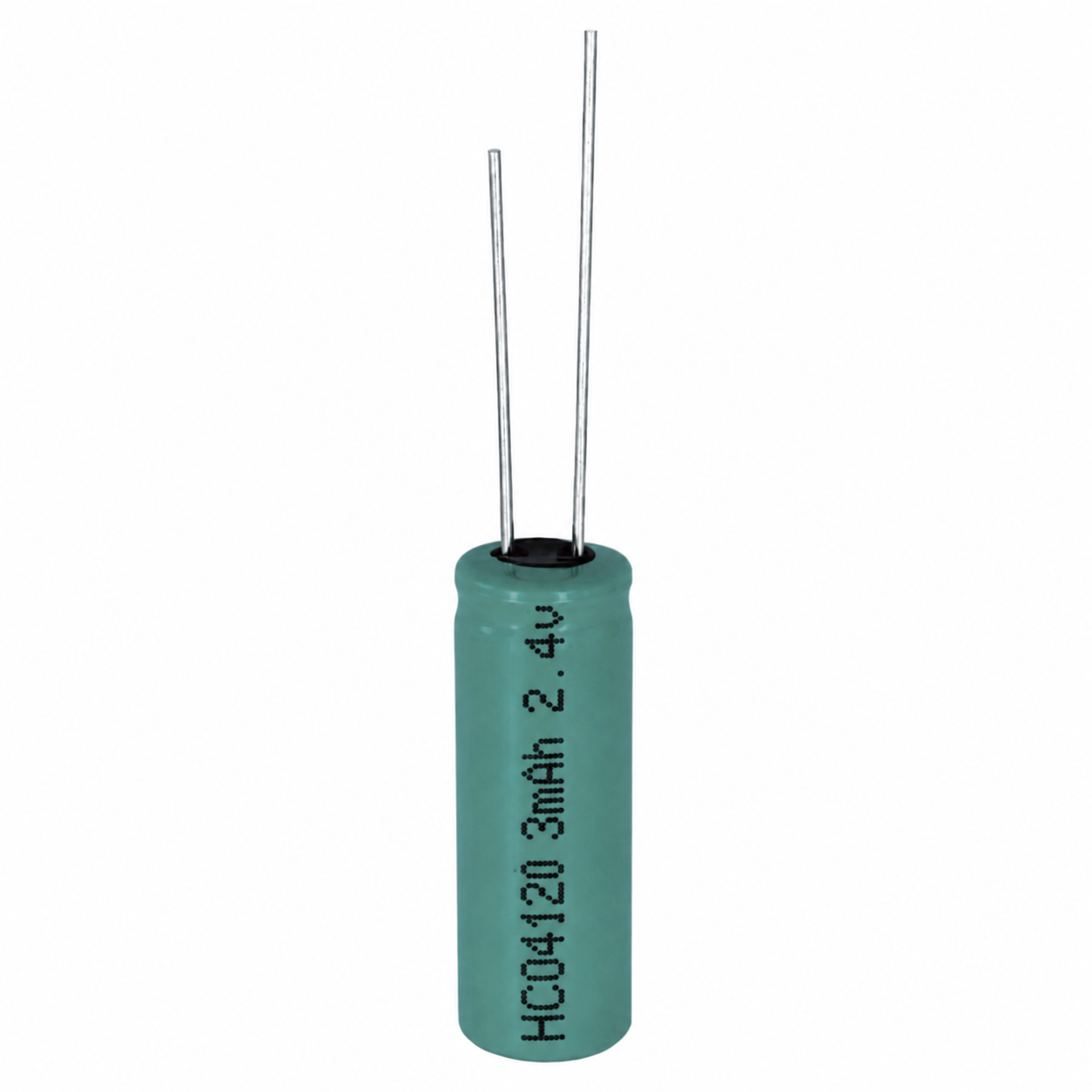
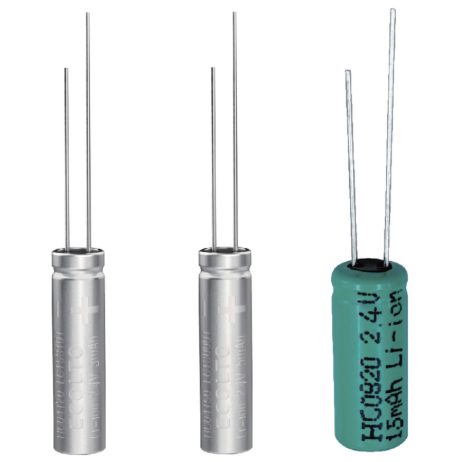
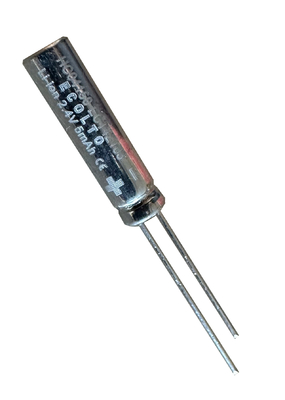
Lithium Energy has been focusing on creating its own brand and contributing to a greener home.

Contacts:
Fiona Fong
Mobile + WhatsApp:
+86 17718177652
+852 91232004
Email:
fangqi@ecolto.com
CTO: Morley.lee@ecolto.com

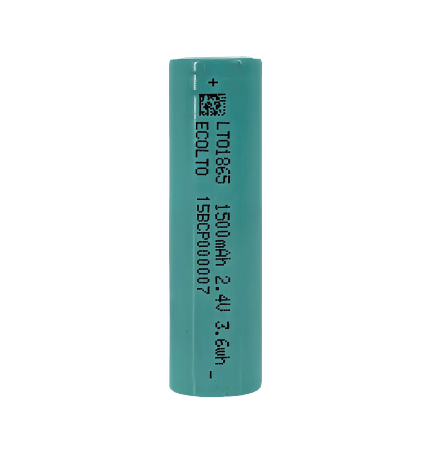
The LTO1865-2R4-1500mAh is a premium cylindrical lithium titanate cell engineered for unparalleled durability and safety. Featuring an advanced LTO anode paired with an NCM cathode, this standard 18650-format cell (18mm x 65.5mm) delivers an extraordinary 15,000-cycle life at 80% capacity retention.
Designed to thrive where other lithium-ion batteries fail, it supports charging at temperatures as low as -40°C while maintaining 70% capacity. With industry-leading abuse tolerance, it successfully passes rigorous safety tests—including nail penetration, crushing, and short-circuiting—making it the definitive choice for electric vehicles, industrial equipment, and extreme-climate energy storage.
To ensure accuracy and consistency, all technical evaluations must be performed on new, unused cells within 30 days of factory shipment (maximum 50 preliminary cycles). Unless otherwise specified, testing criteria are baseline-regulated as follows:
Ambient Temperature: 25±5°C
Relative Humidity: 15% to 90%
Atmospheric Pressure: 86 kPa to 106 kPa
Operational Altitude: ≤ 4,000 meters above sea level
Nominal capacity is 1500mAh (1C at room temperature). Nominal voltage is 2.4V (average discharge voltage at 1C). Internal impedance is ≤20mΩ measured by AC 1kHz at 30% to 50% state of charge. Standard charge cut-off voltage is 2.8V. Standard discharge cut-off voltage is 1.5V. Maximum continuous charge current is 3C (4.5A). Maximum continuous discharge current is 5C (7.5A). Temperature rise during 3C charging is ≤20°C. Weight is ≤44 grams. Dimensions: diameter 18±0.3mm, height 65.5±0.3mm.
| No. | Item | Condition | NOTE |
| 1 | Appearance | Consistent with the appearance inspection standard | There should be no such defects as fiaw, crack, rust, leakage, which may depreciate the commercial value of the cell. |
| 2 | Nominal capacity | 1500mAh | 1C room temperature≥1500mAh |
| 3 | Nominal voltage | 2.4V | 1C discharge average voltage at room temperature |
| 4 | Internal impedance | ≤20mΩ | Internal resistance measured at AC 1kHz after 30%- 50% charge at room temperature. |
| 5 | Standard charge cut-off voltage | 2.8V | / |
| 6 | Standard discharge cut-off voltage | 1.5V | / |
| 7 | Maximum continuous charge current | 3C (4 .5A) | 25±5℃ |
| 8 | Maximum continuous discharge current | 5C (7 .5A) | 25±5℃ |
| 9 | Temperature rise during 3C charging | ≤20℃ | / |
|
10 |
Operating temperature range | Humidity: ≤85%RH Temperature: -40℃ to 60℃ | Recommended charge/discharge current: ≤0.5C. When the cell temperature is below 0°C, it is recommended to reduce discharge power or stop charging/discharging. When the cell temperature exceeds 50°C, appropriate thermal management is recommended. |
| 11 | Storage temperature range | -40℃ to 35℃ | Recommended storage temperature: 25±3℃; ≤90%RH Relative Humidity |
| 12 | Weight | ≤44g | / |
Under standard test conditions (1C charge/discharge, 100% DOD at room temperature), the cell retains ≥80% of its initial capacity after 15,000 cycles. At high temperature (45°C), it retains ≥80% after 3,000 cycles. This ultra-long cycle life makes LTO ideal for daily deep cycling in EVs and stationary storage.
| NO. | Item | Test method | Ctiteria |
| 1 | Cycle life | Under standard test environment, a cell is charged inaccordance with 3.1.3, rest 30 minutes, and then discharged in accordance with 3.1.4, rest 30 minutes prior to next charge-discharge cycle. The cell shall be continuously charged and discharged for 15,000 cycles | Capacity retention >80% after 15,000 cycles |
| 2 | High temperature cycle life | A cell is stored in an ambient temperature of 45+2°C for 60min. Then at 45+2°C, a cell is charged to the standard charge cut-off voltage at a constant current of 1C, followed byconstant voltage charging until current <0.05C, charging is terminated.Rest 10 min and then discharged to the standard discharge cut-off voltage at a constant current of 1C, rest for10 minutes prior to the next charge-discharge cycle. The testshall be repeated for 3,000 cycles. | Discharge Capacity > 80% of initial capacity after 3000 cycles |
| 3 | Rate charge performance | Under standard test environment,a cell is discharged in accordance with 3.1.4,rest 10 minutes, and then is charged tothe standard charge cut-off voltage at a constant current of 3C,followed by constant voltage charging until current <0.05C,charging is terminated. Calculate the ratio of charge capacity (%). | Charge capacity > 95% of initial capacity with 5C |
| 4 | Rate discharge performance | Under standard test environment, a cell is charged in accordance with 3.1.3, rest 10 minutes, and then dischargedto standard cut-off voltage at a constant current of 5C.Calculate the ratio of discharge capacity (%).Under standardtest environment, a cell is charged in accordance with 3.1.3,rest 10 minutes, and then discharged to standard cut-offvoltage at a constant current of 5C. Calculate the ratio of discharge capacity (%). | Discharge capacity > 95% of initial capacity with 5C |
| 5 | Discharge capacity at 60°C | A cell is charged in accordance with 3.1.3 and stored in an ambient temperature of 60±2°C for 5±0.5 h and then discharged to the standard discharge cut-off voltage at a constant current of 1C.Calculate the ratio of discharge capacity (%). | Discharge capacity > 98% of initial capacity at 60°C |
| 6 | Extreme low temperature charge performance | A cell is discharged in accordance with 3.1.4, and stored in an ambient temperature of -20+2°C and -40±2°C for 6h and then charged to standard charge cut-off voltage at a constant current of 1C, followed by constant voltage charging until current≤0.05C. Calculate the ratio of charge capacity (%). | Charge capacity >85% of initial capacity at-20°CCharge capacity >60% of initial capacity at-40°C |
| 7 | Extreme low temperature discharge performance | A cell is charged in accordance with 3.1.3 and stored at ambient temperatures of -20±2°C and -40±2°C for 6h and then discharged tostandard discharge cut-off voltage at a constant current of 1C.Calculate the ratio of discharge capacity (%). | Discharge capacity > 82% of initial capacity at-20°CDischarge capacity > 60% of initial capacity at-40°C |
| 8 | Retention capability and capacity recovery at roomtemperature | A cell is charged in accordance with 3.1.3, stored in an ambient temperature of 25±5°C for 28 days, then discharged in accordancewith 3.1.4. Calculate the ratio of discharge capacity (%). Charged in accordance with 3.1.3, rested for 10 minutes, and then discharged inaccordance with 3.1.4. Calculate the ratio of discharge capacity (%). | The residual capacity is not less than 90% of the initial capacity, and therecoverable capacity is not less than95% of the initial capacity at room temperature. |
| 9 | Retention Capability and Capacity Recovery at 60°C | A cell is charged in accordance with 3.1.3, and stored in an ambienttemperature of 60±2°C for 7 days, then discharged to standard discharge cut-off voltage at a constant current of 1C.Calculate theratio of discharge capacity (%).And charged to standard chargecut-off voltage at a constant current of 1C, followed by constant voltage charging until current <0.05C, rested for 10 minutes, andthen discharged to standard discharge cut-off voltage at a constantcurrent of 1C. Calculate the ratio of discharge capacity (%). | The residual capacity is not less than 90% of the initial capacity, and the recoverable capacity is not less than 95% of the initial capacity at 60°C |
Fast Charging (3C Rate): Delivers a charge capacity of ≥95% relative to initial capacity.
High-Power Discharge (5C Rate): Maintains an efficient discharge capacity of ≥95%, allowing the cell to handle demanding pulse currents and rapid power delivery without significant degradation.
At -20°C: Retains ≥85% charge capacity and ≥82% discharge capacity.
At -40°C: Retains ≥70% charge capacity and ≥60% discharge capacity, enabling reliable sub-zero operation.
At 60°C: Delivers a robust discharge performance of ≥98% capacity.
Short-Term Storage (Room Temp / 28 Days): Residual capacity remains ≥90%; total recoverable capacity is ≥95%.
Thermal Storage (60°C / 7 Days): Residual capacity remains ≥90%; total recoverable capacity is ≥95%.
Long-Term Storage Protocols: To maximize longevity, maintain cells at a 10% to 30% SOC within a clean, dry environment regulated between -5°C and 28°C. Top-off/recharge cells every 6 months.
This cell features unparalleled structural stability, engineered to prevent thermal runaway under severe mechanical, electrical, and environmental stress:
Overcharge: No fire or explosion when subjected to a 1C charge up to 4.2V or held for 1 hour.
Over-discharge: No leakage or failure during a 1C discharge sustained for 90 minutes.
Short Circuit: Withstands a 10-minute external short circuit with a wiring resistance of ≤5mΩ without incident.
Mechanical Integrity: Survives a 1.5-meter drop test and severe physical crushing (up to 200kN force or 30% structural deformation).
Puncture Resistance: Passes rigorous nail penetration tests (3mm pin at 25mm/s) without fire or explosion.
Environmental Resilience: No failures detected during seawater immersion (3.5% NaCl for 2 hours), extreme low-pressure exposure (11.6 kPa for 6 hours), or thermal cycling (-40°C to 85°C across 5 cycles).
The standardized 18650 format allows seamless integration into high-density custom battery packs. Primary deployments include:
E-Mobility: Electric Vehicles (EV), Hybrid Electric Vehicles (HEV), Plug-in Hybrids (PHEV), electric buses, and heavy-duty logistics trucks.
Industrial Automation: Automated Guided Vehicles (AGVs), automated floor scrubbers, and industrial power tools.
Climate-Resilient Grid Storage: Energy storage systems (ESS) in arctic or extreme desert regions, and outdoor telecom backup infrastructure.
Utility & Auxiliary Power: Golf carts, specialized marine equipment, and critical UPS systems.
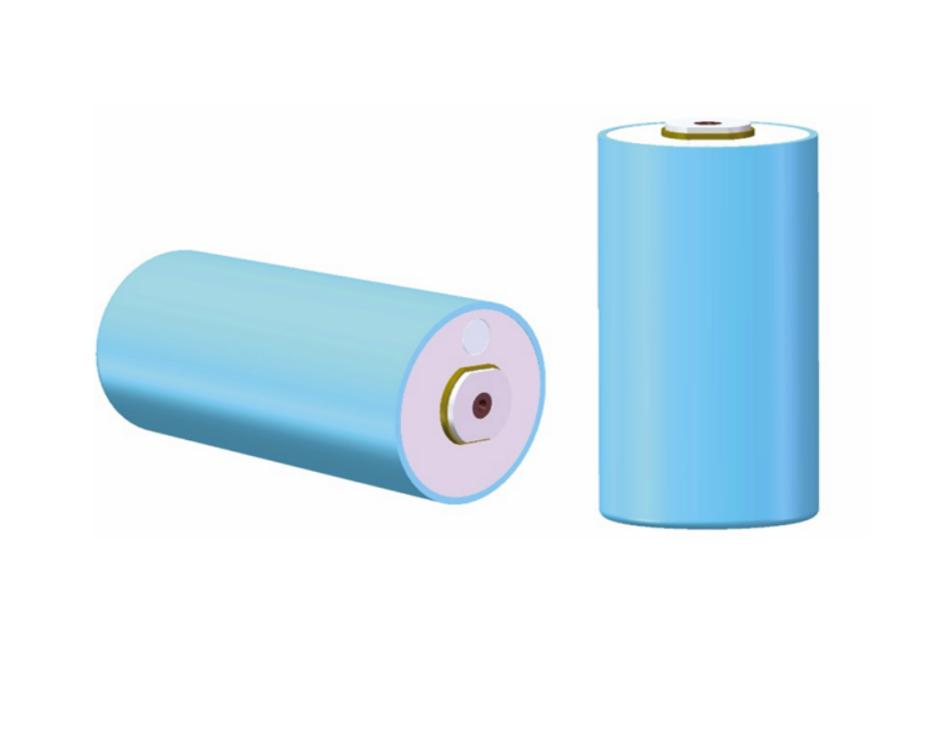
Diameter D is 18±0.3mm. Height H is 65.5±0.3mm. The cylindrical steel case provides mechanical protection. Weight is ≤44 grams.
This site is protected by wp-copyrightpro.com